Source Electroplate Earphone Anti Lost Clips for Mobile, PC, and Gaming
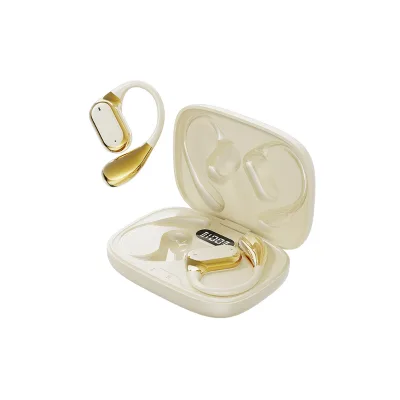
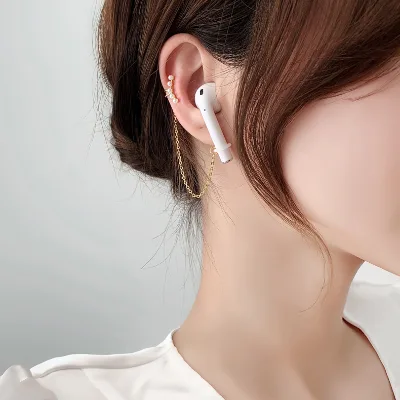
Compare 30 listings for electroplate earphone anti lost clips designed for mobile phones, computers, and game players. Buyers can review specifications including Bluetooth range, battery capacity, and waterproof levels to find suitable options.
Key considerations
Products List




Comprehensive Sourcing Guide
Strategic Sourcing Guide for Electroplate Earphone Anti-Lost Clips
The procurement of electroplate earphone anti-lost clips represents a specialized segment within the broader audio accessories market. These components are critical for ensuring device retention during active use, particularly for consumers engaged in sports, commuting, or high-mobility environments. When sourcing these items, buyers must navigate a landscape defined by specific material finishes, structural integrity requirements, and strict compliance standards. The following guide outlines the essential technical, regulatory, and commercial factors that define a successful procurement strategy for this category.
Technical Specifications and Material Integrity
The core functionality of an electroplate earphone anti-lost clip relies heavily on the durability of the plating and the mechanical strength of the underlying substrate. Electroplating is a process where a metal coating is deposited onto a conductive surface to enhance corrosion resistance, aesthetic appeal, and wear durability. In the context of earphone accessories, the finish must withstand repeated friction against clothing, skin, and environmental elements without peeling or discoloring.
Buyers should verify the specific plating material used, as this directly impacts the product's longevity and cost. Common requirements include nickel, copper, or gold plating over a base metal such as zinc alloy or stainless steel. The thickness of the electroplate layer is a critical specification that is often not explicitly stated in general product descriptions but must be confirmed during the supplier evaluation phase. A thinner layer may result in rapid wear, exposing the base metal to oxidation, while an excessively thick layer can lead to brittleness and cracking.
Furthermore, the mechanical design of the clip must accommodate the specific form factor of the earphone. The observed market data indicates a variety of styles, including Western, Chinese, and Japanese designs, which may influence the clip's curvature and tension mechanism. The hardness of the material is another vital attribute; products in this category are often observed as "Soft" to ensure comfort against the ear or clothing, yet they must maintain sufficient rigidity to hold the earphone securely. The clip's attachment point must be robust enough to handle the dynamic forces generated during movement without deforming.
Compliance and Certification Verification
Navigating the regulatory landscape is a non-negotiable aspect of sourcing audio accessories for international markets. The supply chain for these components is heavily regulated, particularly regarding the materials used in the plating process and the electrical components integrated into the final assembly. Buyers must demand documentation that verifies compliance with major international standards.
The provided data highlights several critical certifications that serve as benchmarks for quality and safety. These include FDA, CE, LFGB, RoHS, FCC, and various CE sub-certifications such as CE-EMC, CE-LVD, CE-Red, and CE-RoHS. The presence of these certifications indicates that the supplier has undergone testing for hazardous substances, electromagnetic compatibility, and low voltage safety. For instance, the RoHS directive restricts the use of specific hazardous materials in electrical and electronic equipment, which is directly relevant to the metal plating and any integrated electronic circuits within the clip assembly.
When evaluating a supplier, buyers should not rely solely on the presence of a certificate number. Instead, they must request the specific test reports that correspond to the product model. The data notes specific standards such as "11.50cm * 9.30cm * 4.50cm" and "12.60cm * 9.50cm * 4.00cm" for packaging or product dimensions, which may be part of a larger compliance dossier regarding shipping and storage safety. Additionally, the "Distance version: Class B" specification suggests adherence to specific radio frequency regulations, which is pertinent if the clip is part of a Bluetooth-enabled system. Buyers must ensure that the certifications cover the specific batch being produced, as standards can vary between manufacturing runs.
Cost Drivers and Pricing Dynamics
Understanding the cost structure of electroplate earphone anti-lost clips is essential for budgeting and negotiation. The price range observed in the market spans from $0.01 to $19.42, a significant variance that reflects differences in material quality, plating thickness, customization levels, and order volume. The lower end of this spectrum typically corresponds to basic, non-customized units with standard plating and minimal packaging. Conversely, the higher price points are associated with premium finishes, complex customization, and specialized packaging solutions.
The Minimum Order Quantity (MOQ) is a primary driver of unit cost. The observed MOQ range extends from 1 to 2000 units. Suppliers often offer tiered pricing structures where the unit cost decreases significantly as the order volume increases. For buyers with large volume requirements, negotiating an MOQ closer to the upper limit of the observed range can yield substantial savings. However, for smaller buyers or those testing new designs, suppliers with lower MOQs are available, albeit at a higher per-unit cost.
Customization is another significant cost factor. The data confirms that customization is available, yet it also lists "Non-Customized" as a specific attribute for certain models. Customization involves additional tooling costs, design time, and potentially higher material waste during the plating process. Buyers should clearly define their customization needs early in the process to avoid unexpected cost escalations. The "prod_packing" attribute, which can range from standard to "Colored Box" or "According to Customer Requirements," also impacts the final price. Custom packaging solutions require additional molds and labor, which are passed on to the buyer.
Typical Applications and Usage Scenarios
The application of electroplate earphone anti-lost clips extends beyond simple retention; they are integral to the user experience in various high-mobility scenarios. The primary usage identified is for mobile phones, but the scope often expands to include computers and game players. This versatility makes these clips suitable for a wide range of consumer electronics.
In the sports and fitness sector, the clips are essential for securing earphones during vigorous activity. The "Ear Hook" style mentioned in the data is particularly relevant here, as it provides a secure fit that resists displacement. The "Support Music" and "Bluetooth" attributes indicate that these clips are often part of a wireless audio ecosystem, where the loss of a single earphone can render the device useless. The "Dual Track" soundtrack capability further suggests that these accessories are designed for users who require high-fidelity audio experiences, such as gamers or audiophiles.
The "Waterproof Level: Ipx4" specification observed in the data highlights the importance of durability in wet conditions. This rating indicates protection against water splashes from any direction, making the clips suitable for outdoor running or light rain scenarios. The "Working Time" and "Music Playback Time" of approximately 3-4 hours suggest that these accessories are paired with devices that have limited battery life, necessitating reliable retention to prevent loss during critical usage periods. The "Transmission Distance" of at least 10 meters ensures that the user has freedom of movement without signal degradation, a feature that complements the anti-lost function.
Supplier Evaluation and Relationship Management
Selecting the right supplier is as critical as the product specifications themselves. The data indicates the presence of specific sales managers, such as "Sunny" and "Shalin," which suggests a personalized approach to customer service. Buyers should leverage these points of contact to establish clear communication channels and ensure that their specific requirements are understood and met.
When evaluating a supplier, buyers should assess their ability to handle "According to Customer Requirements" for both packing and standards. This flexibility is a strong indicator of a supplier's capacity to adapt to unique market needs. The "User Manual (Language): English and Chinese" attribute suggests that the supplier has experience with international markets and can provide necessary documentation in multiple languages, which is crucial for compliance and user support.
The "Chipset: Jieli 6983D4" and "Pairing Name: M88" details indicate that some suppliers offer integrated electronic solutions. Buyers should verify if the supplier has the technical expertise to support these integrated components, including firmware updates or troubleshooting. The "Gross Weight: 0.134kg" and specific battery capacities (250mAh for the case, 25mAh for the earphone) are technical details that require precise verification to ensure the supplier can meet the weight and power requirements of the final product.
Quality Control and Long-Term Procurement
Implementing a robust quality control (QC) protocol is essential to mitigate risks associated with electroplating and mechanical assembly. Buyers should establish clear acceptance criteria for the plating finish, ensuring there are no defects such as peeling, bubbling, or uneven coloration. The "Hardness: Soft" attribute requires careful monitoring to ensure the product remains comfortable without compromising its structural integrity.
Long-term procurement considerations involve building a sustainable supply chain. The "Standby Time: >3 Months" and "Charging Time: About 1 Hour" specifications highlight the importance of battery performance in the long run. Buyers should request sample testing to verify these claims over an extended period, as battery degradation can affect the product's usability. The "Input Voltage: 5V" and "Charging Port: Type-C" standards are critical for compatibility with existing charging infrastructure, and buyers should ensure that these specifications remain consistent across all production batches.
The "Certificate: CE-EMC, CE-LVD, CE-Red, CE-RoHS, FCC-ID" list demonstrates a comprehensive approach to compliance. Buyers should require that these certifications are renewed and valid for the duration of the procurement contract. Regular audits of the supplier's manufacturing processes can help ensure that quality standards are maintained over time. Additionally, the "prod_model" variations, such as "SPB0008" and "6812002732D," indicate that the supplier offers a range of models. Buyers should establish a clear mapping between these models and their specific requirements to avoid confusion in future orders.
Strategic Recommendations for Procurement Success
To achieve success in sourcing electroplate earphone anti-lost clips, buyers must adopt a holistic approach that balances technical requirements, regulatory compliance, and cost efficiency. The following table summarizes the key decision factors based on the observed data:
| Decision Factor | Key Considerations | Verification Method |
|---|---|---|
| Material & Finish | Electroplate thickness, base metal type, hardness (Soft) | Request material safety data sheets (MSDS) and plating thickness reports. |
| Certifications | FDA, CE, LFGB, RoHS, FCC, CE-EMC/LVD/Red | Verify certificate validity and cross-reference with specific test reports. |
| Customization | Packaging, branding, model variations (SPB0008, 6812002732D) | Confirm MOQ impact and tooling costs for custom requirements. |
| Performance | Battery life (3-4 hours), Waterproof (IPX4), Range (10m) | Conduct independent testing on sample units for battery and water resistance. |
| Supplier Capability | Sales manager availability, language support, model range | Evaluate communication responsiveness and technical support capacity. |
By adhering to these guidelines and maintaining a rigorous focus on evidence-based verification, buyers can secure a reliable supply of high-quality electroplate earphone anti-lost clips that meet the demands of the global market. The interplay between technical specifications, regulatory compliance, and supplier flexibility defines the success of any procurement initiative in this sector.
FAQs
What certifications do these electroplate earphone anti lost clips have?
The products hold FDA, CE, LFGB, RoHS, and FCC certifications. These standards verify compliance with hazardous substance restrictions and electromagnetic compatibility requirements for international markets.
Can I request custom packaging for these earphone clips?
Yes, customization is available including specific packing requirements. Buyers can specify colored boxes or other packaging solutions according to their unique market needs and branding strategies.
What is the typical Bluetooth range for these wireless clips?
The transmission distance is at least 10 meters in a straight line. This range ensures stable connectivity for mobile phones, computers, and game players during active use.
How long does the battery last on a single charge?
The working time is approximately 3 to 4 hours for music playback. The standby time exceeds 3 months, ensuring the device remains ready for extended periods without use.
Which styles are available for these earphone retention clips?
Available styles include Western, Chinese, Japanese, and Ear Hook designs. These variations cater to different aesthetic preferences and functional requirements for various user demographics.
What is the minimum order quantity for these products?
The minimum order quantity ranges from 1 to 2000 units depending on the supplier. Lower MOQs allow for testing new designs while higher volumes often reduce the per-unit cost.